

A Comprehensive Fusion of Law and Digital Forensics
The Certified Cyber Forensics Law Professional program equips legal professionals with in-depth knowledge of digital forensics, cybercrime, and legal frameworks for managing electronic evidence. This course bridges technical expertise and legal knowledge, empowering participants to handle, interpret, and challenge digital evidence confidently across various legal contexts.
Who Should Join?
- Legal Practitioners: Master handling digital evidence and advanced forensic techniques for high-stakes cases.
- In-House Counsel: Manage cyber risks, compliance, and investigations in corporate environments.
- Law Enforcement and Cybercrime Investigators: Gain tools and methodologies to track and mitigate digital crimes effectively.
Course Objectives
Upon completion, participants will be able to:
- Understand the fundamentals of cybercrimes, their distinction from cyber wrongs, and strategies for prevention and management.
- Apply legal and technical principles to collect, preserve, and authenticate digital evidence.
- Utilize forensic tools effectively in litigation and investigations.
- Navigate global and Indian laws to ensure the admissibility of electronic evidence in court.
- Collaborate with forensic experts and manage courtroom cross-examinations involving digital evidence.
What You’ll Learn
1. Foundations of Cyber Forensics for Lawyers:
- Explore the difference between Cyber Crimes (criminal acts using technology, e.g., fraud, hacking) and Cyber Wrongs (civil infractions like defamation or breach of privacy).
- Analyze challenges in preventing and managing cybercrimes, including jurisdictional issues, technology gaps, and the importance of public awareness in combating cyber threats.
2. Advanced Cybercrime Investigation Techniques
- Learn to tackle ransomware, phishing, and cryptojacking attacks using modern investigation tools.
- Gain skills in tracing activities on the Dark Web and handling complex cyber fraud cases.
3. Collection, Preservation, and Admissibility of Digital Evidence:
- Implement the chain of custody, hashing techniques (MD5, SHA-256), and forensic imaging tools.
- Study best practices for authenticating and ensuring the admissibility of evidence under the Bhartiya Sakshya Adhiniyam, 2023.
4. Forensic Tools and Their Applications:
- Hands-on experience with tools like Autopsy, Cellebrite, Magnet Axiom Cloud, and Wireshark to extract, recover, and analyze data.
5. Cyber Forensics in Sector-Specific Applications:
- Understand the role of cyber forensics in investigating financial fraud, IP theft, healthcare breaches, and governance-related cybercrimes.
6. Future Trends and Ethical Considerations:
- Learn about emerging technologies like blockchain forensics, IoT, AI-powered forensics, and the ethical dilemmas posed by anti-forensics techniques and privacy concerns.
Key Modules
Module 1: Introduction to Cyber Forensics for Lawyers
- Basics of Cybercrime: Understanding offenses such as hacking, identity theft, and fraud.
- Difference Between Cyber Crimes and Cyber Wrongs: Explore criminal versus civil liabilities.
- Public Awareness and Prevention Strategies: Importance of education, collaboration with law enforcement, and public-private partnerships in minimizing cyber threats.
Module 2: Core Cyber Forensics Principles
- Data Collection and Preservation: Imaging, cloning, and securing evidence while maintaining the chain of custody.
- Metadata and Forensic Data Analysis: How timestamps, hidden files, and encrypted data are handled.
- Real-World Case Studies: Learning from Indian and international examples of successful evidence collection and analysis.
Module 3: Advanced Tools and Techniques in Digital Forensics
- Autopsy for forensic disk imaging.
- Cellebrite for mobile forensics and encrypted device data recovery.
- Wireshark for network traffic analysis.
- Analysis of email headers, file metadata, cloud storage metadata, and video evidence.
Module 4: Global and Indian Legal Frameworks
- Admissibility Standards: Relevant sections of the Bhartiya Sakshya Adhiniyam, 2023 and the Information Technology Act, 2000.
- Cross-Border Evidence Management: Challenges in international jurisdictions and treaties like the Budapest Convention.
- Privacy Concerns and Compliance: Understanding GDPR and other global standards.
Module 5: Collaboration with Experts and Evidence Presentation
- Working with Digital Forensic Experts: Understanding reports and evaluating methodologies.
- Effective Cross-Examination: Challenging the credibility and reliability of expert testimony.
- Crafting Legal Narratives Using Digital Evidence: Presenting a compelling case in court.
Module 6: Cyber Forensics for Industry-Specific Applications
- Finance and Healthcare: Investigating fraud and data breaches.
- E-Governance: Tackling vulnerabilities in public systems.
- Intellectual Property and Contract Disputes: How cyber forensics aids in evidence building.
Module 7: Emerging Trends and Ethical Practices in Cyber Forensics
- Anti-Forensics Tactics: Identifying and countering methods used to obscure or destroy evidence.
- Blockchain Forensics and IoT: Investigating complex technology-driven cases.
- Future Legal Challenges: Addressing AI-generated data, machine learning, and automation in forensics.
Why Choose This Course?
- Comprehensive Coverage: A well-rounded program combining technical, legal, and ethical dimensions of cyber forensics.
- Real-World Application: Focus on industry-specific challenges and practical tools for immediate professional impact.
- Real-World Application: Focus on industry-specific challenges and practical tools for immediate professional impact.
- Expert Faculty: Instruction by seasoned professionals in both forensic science and legal advocacy.
Disclaimer
GME Academy is an educational institution, and its purpose is to enable students to practice using these tools for learning and skill development. The actual use of these cyber forensics tools in a professional setting may require separate licenses and approvals from the respective companies.
These tools are the copyright of their respective originating companies. The tools mentioned in this document are provided for reference purposes only and may not be an exhaustive list. The specific tools used in the course may vary based on factors such as availability, popularity, and relevance in the Indian market to enhance employability for students upon course completion.
Enroll in the Certified Cyber Forensics Law Professional program and redefine the way digital evidence is managed and used in modern legal practice. Join now to advance your career!
Our Latest Blog .

How to Become an Effective ESG & Sustainability Expert
AjayWhen Arjun joined his company’s sustainability team, he thought it would be all about recycling...

Evolve from HR Generalist to HR Strategic Partner
AjayWhy Structured Learning is the Key to Becoming an Effective HRBPWhen Priya walked into her first HR...
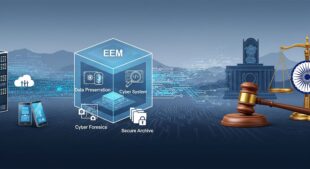
FAQ On Electronic Evidence Management (EEM)
Ajay1.What is Electronic Evidence Management (EEM), and why is it important in today's digital...