

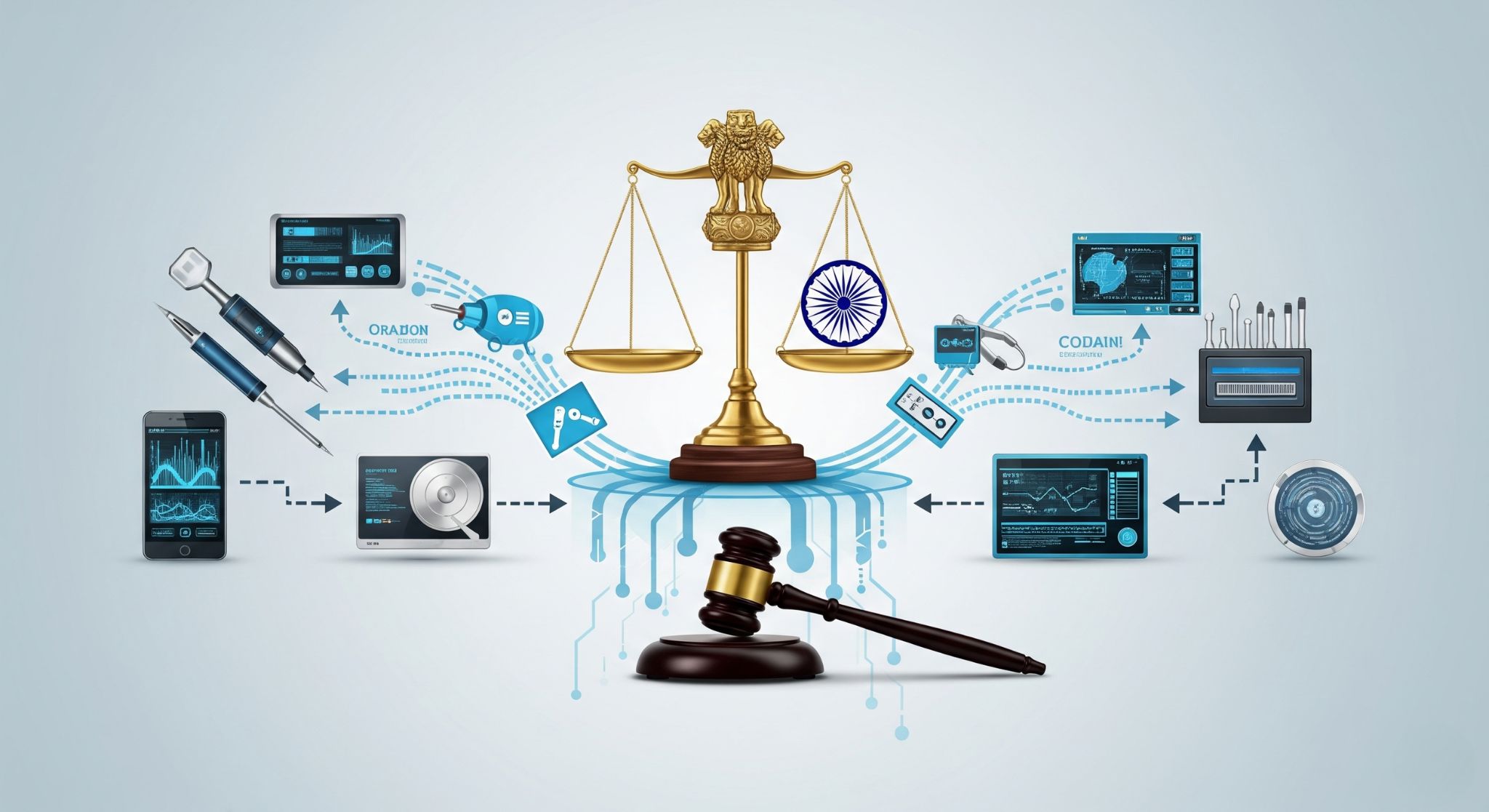
In the digital age, cyber forensics plays a crucial role in legal proceedings. This blog post explores various cyber forensic tools available in India, their features, and their significance from a legal standpoint. We’ll categorize these tools based on their specific applications and discuss what lawyers should know about them, with a particular focus on their usage and legal implications.
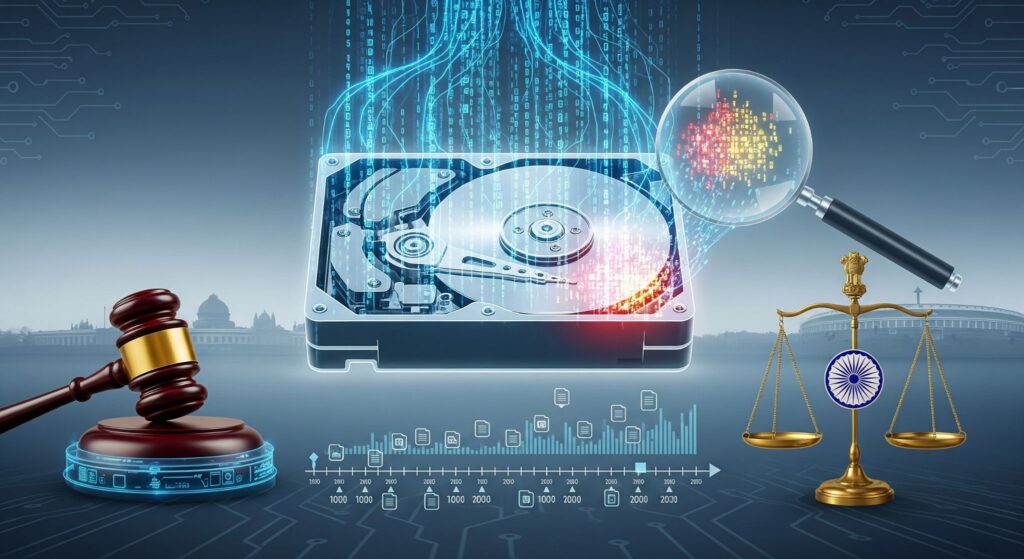
1. Disk Forensics – Tool: FTK (Forensic Toolkit) by Access Data
Features:
– Comprehensive data analysis and recovery
– Advanced filtering and searching capabilities
– Evidence visualization tools
FTK is widely accepted in Indian courts due to its reliability and thoroughness in data recovery.
What lawyers should know:
FTK’s strength lies in its ability to create forensically sound copies of digital storage devices without altering the original evidence. This is crucial for maintaining the chain of custody and ensuring the admissibility of evidence in Indian courts.
From a usage standpoint, lawyers can leverage FTK to:
– Recover deleted files that may contain crucial evidence, such as financial records in fraud cases or communication logs in conspiracy cases.
– Uncover hidden or encrypted data, which can be particularly relevant in cases involving digital concealment of assets or information.
– Generate comprehensive reports that can be presented in court, detailing the exact location and state of discovered evidence on the device.
– Demonstrate the timeline of file creation, modification, and deletion, which can be pivotal in establishing the sequence of events in a case.
When using FTK, lawyers should ensure that proper authorization (such as a court order) is obtained before analysis, and that all actions are meticulously documented to withstand scrutiny in court.
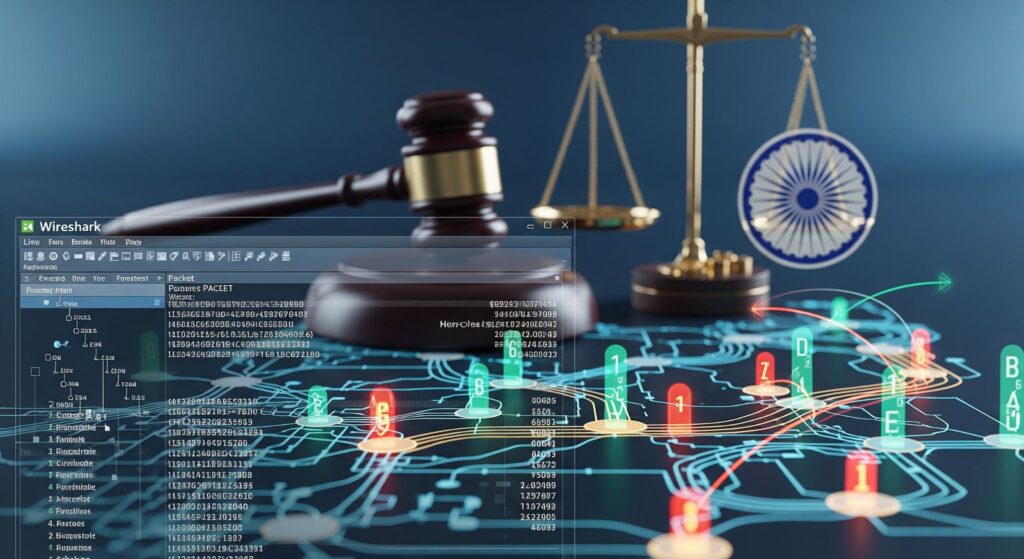
2. Network Forensics Tool: Wireshark
Features:
– Real-time network packet capture and analysis
– Protocol dissection
– Advanced filtering options
Wireshark is open-source and widely used, but proper training is essential to interpret its results accurately.
What lawyers should know:
Wireshark’s ability to capture and analyze network traffic in real-time makes it an invaluable tool in cases involving network-based crimes or disputes. It can provide evidence of network intrusions, data exfiltration, or unauthorized access, which is valuable in cybercrime cases.
From a usage standpoint, lawyers can use Wireshark to:
– Provide evidence of unauthorized access to systems or networks, crucial in cybercrime cases.
– Demonstrate data exfiltration in corporate espionage or intellectual property theft cases.
– Analyze communication patterns in cases involving online harassment or cyberstalking.
– Verify claims about network usage or internet activity in disputes related to service level agreements or employee misconduct.
However, lawyers must be aware that network captures may contain sensitive or privileged information. Proper procedures must be followed to filter out irrelevant or legally protected data before presentation in court. Additionally, expertise may be required to interpret Wireshark data accurately, so collaborating with certified network forensics experts is advisable.
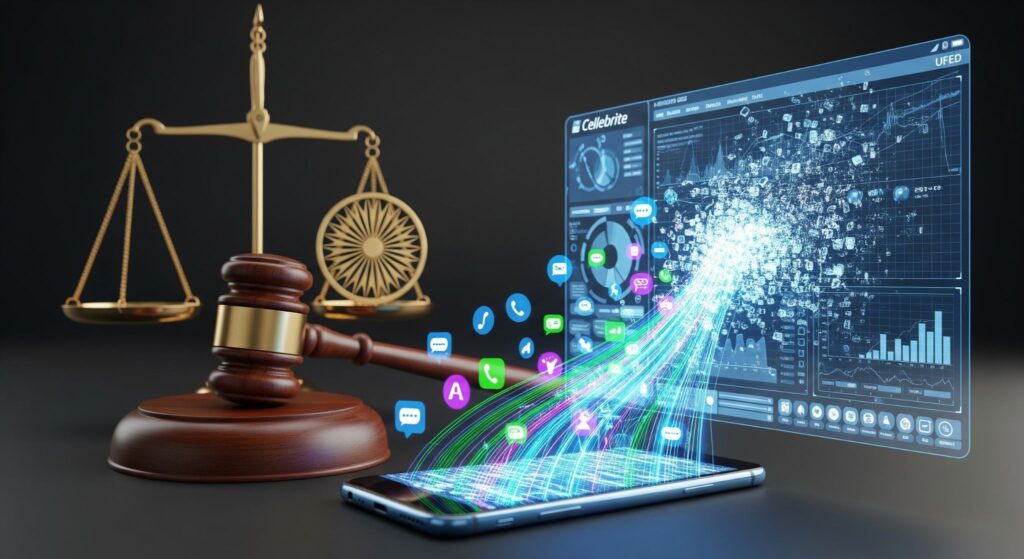
3. Mobile Device Forensics – Tool: Cellebrite UFED (Universal Forensic Extraction Device)
Features:
– Extraction and analysis of mobile device data
– Support for a wide range of devices and operating systems
– Advanced decoding and analysis capabilities
Cellebrite UFED is widely accepted in Indian courts, but the legality of accessing locked devices may be questioned.
What lawyers should know:
Mobile devices often contain a wealth of personal and potentially incriminating information. Cellebrite UFED’s ability to extract and analyze this data makes it a powerful tool in many legal proceedings. It can extract crucial evidence from mobile devices, including deleted messages, location data, and app usage, which can be pivotal in criminal investigations or civil disputes.
From a usage standpoint, lawyers can utilize Cellebrite UFED to:
– Recover deleted messages, call logs, and contact information, which can be crucial in establishing communication patterns in criminal investigations.
– Extract location data to corroborate or challenge alibis in criminal cases.
– Analyze app usage and data, which can provide insights into a subject’s activities and intentions.
– Recover media files (photos, videos) that may serve as evidence in various types of cases, from intellectual property disputes to criminal investigations.
However, lawyers must be cautious about privacy concerns. The use of Cellebrite UFED typically requires a warrant or the owner’s consent. In cases involving locked devices, lawyers should be prepared to address potential challenges regarding the legality of accessing the device without the owner’s cooperation.
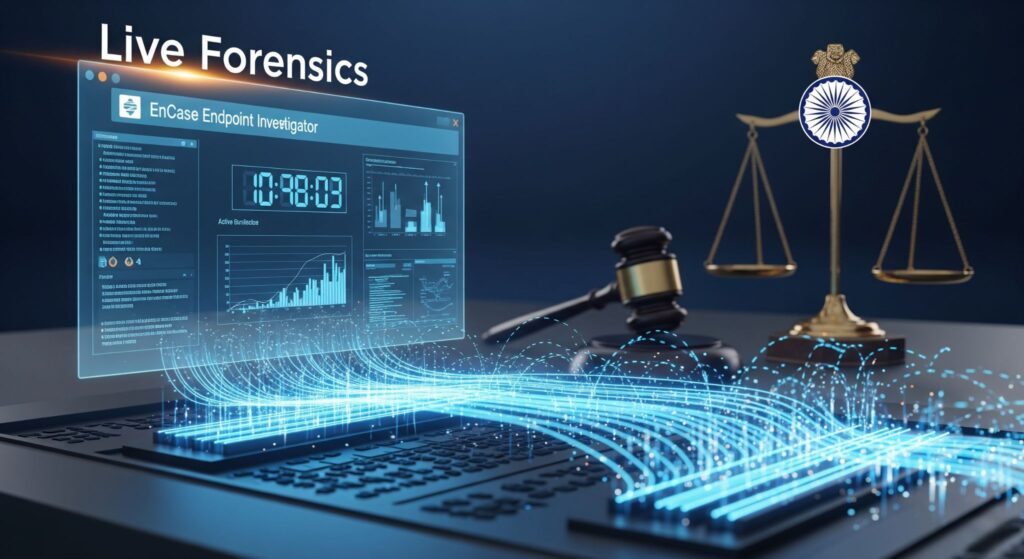
4. Live Forensics – Tool: EnCase Endpoint Investigator
Features:
– Remote, live data collection from active systems
– Minimal impact on target systems
– Real-time analysis capabilities
Live forensics tools require careful handling to maintain the integrity of evidence and avoid altering the system state.
What lawyers should know:
Live forensics tools like EnCase Endpoint Investigator are particularly valuable when dealing with active systems or ongoing threats. EnCase can help gather volatile data that might be lost in traditional “dead box” forensics, which can be crucial in cases involving active threats or time-sensitive investigations.
From a usage standpoint, lawyers can employ EnCase to:
– Capture volatile data that would be lost if the system were powered down, such as current network connections or running processes, which can be crucial in cases involving active cyber attacks.
– Gather evidence of malware or unauthorized software running on corporate systems, useful in cases of corporate espionage or employee misconduct.
– Conduct covert investigations in cases where alerting the subject might lead to destruction of evidence.
– Demonstrate the real-time state of a system at a specific point in time, which can be important in disputes about when certain actions occurred.
Lawyers should be aware that live forensics requires careful handling to avoid altering the system state. They should work with certified forensics experts to ensure that the evidence collected is admissible and that proper documentation of all steps taken is maintained.
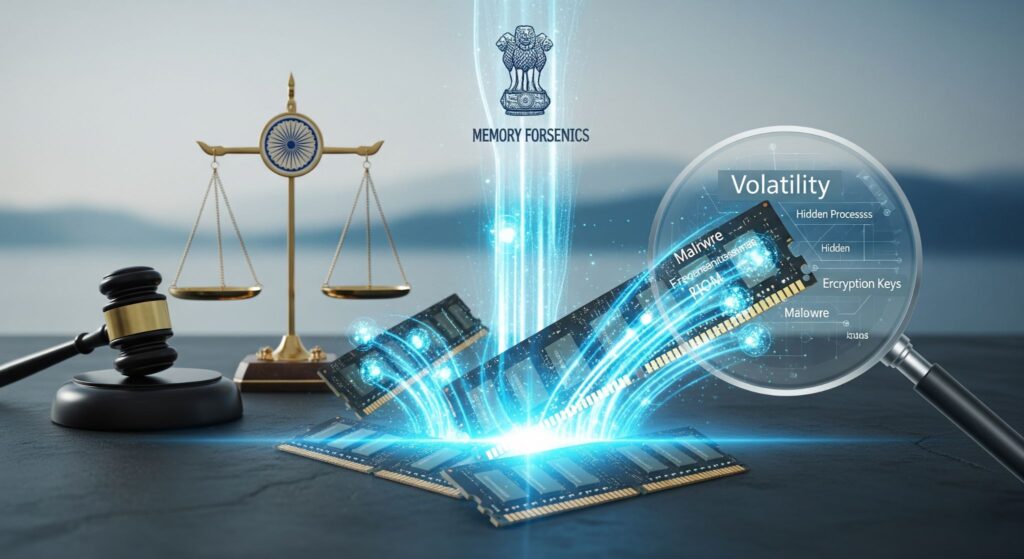
5. Memory Forensics – Tool: Volatility
Features:
– Analysis of RAM dumps
– Malware detection and analysis
– Process and network connection examination
Memory forensics can reveal information not found in disk analysis, but the volatile nature of RAM means proper procedures must be followed for admissibility.
What lawyers should know:
Memory forensics can reveal information not found through traditional disk analysis, making tools like Volatility crucial in certain types of investigations. Volatility can uncover evidence of malware, hidden processes, or encryption keys, which can be vital in cybercrime or corporate espionage cases.
From a usage standpoint, lawyers can use Volatility to:
– Uncover evidence of sophisticated malware that doesn’t write to disk, crucial in cases involving advanced persistent threats or state-sponsored attacks.
– Recover encryption keys that may be present in memory, potentially providing access to otherwise inaccessible evidence.
– Analyze the state of a system at the time of acquisition, which can be important in cases where the timing of events is disputed.
– Detect hidden processes or network connections that might indicate unauthorized access or data exfiltration.
Lawyers should be aware that memory is volatile, and the act of capturing it can potentially alter its contents. Therefore, proper procedures for memory capture and analysis must be followed and documented to ensure admissibility. Expert testimony may be required to explain the significance of memory forensics findings to the court.
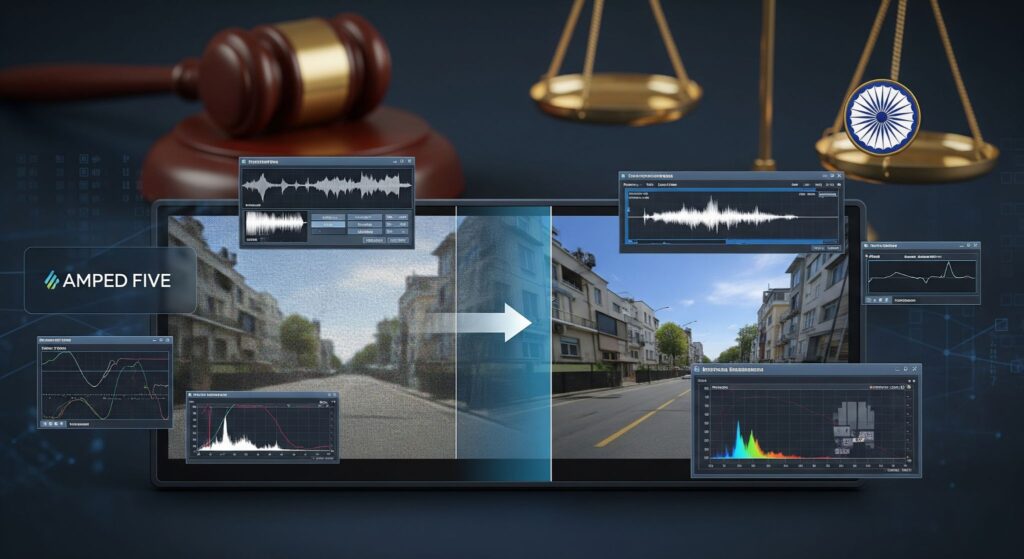
6. Multimedia Forensics – Tool: Amped FIVE (Forensic Image and Video Enhancement)
Features:
– Image and video enhancement
– Forensic analysis of digital media
– Chain of custody preservation
Enhanced images or videos must be presented alongside originals, and the enhancement process should be documented for court admissibility.
What lawyers should know:
Multimedia evidence can be crucial in many legal proceedings, and tools like Amped FIVE can help extract maximum value from this evidence. Amped FIVE can help clarify crucial details in surveillance footage or digital images, potentially providing key evidence in criminal or civil cases.
From a usage standpoint, lawyers can leverage Amped FIVE to:
– Enhance low-quality surveillance footage to identify suspects or verify alibis in criminal cases.
– Authenticate digital images or videos to ensure they haven’t been tampered with, crucial in cases where the veracity of multimedia evidence is challenged.
– Recover metadata from multimedia files, which can provide information about when and where a photo or video was taken.
– Clarify audio in recorded conversations, which can be vital in cases involving verbal agreements or threats.
Lawyers should be prepared to demonstrate the scientific validity of the enhancement techniques used. They should always present enhanced images or videos alongside the originals and provide a detailed account of the enhancement process to ensure admissibility.
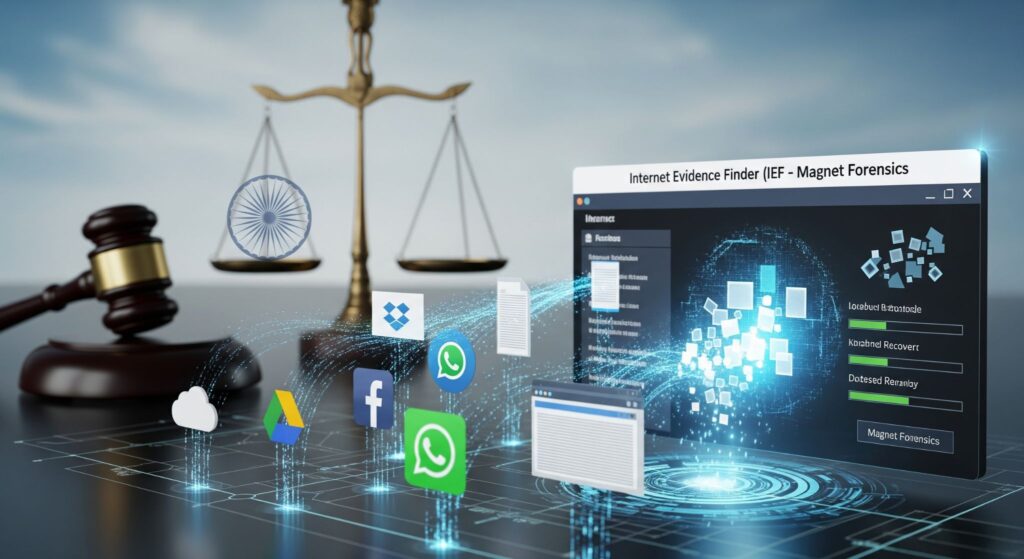
7. Internet Forensics – Tool: Internet Evidence Finder (IEF) by Magnet Forensics
Features:
– Recovery of internet artifacts
– Analysis of cloud-based data
– Support for various browsers and applications
Internet forensics can raise privacy concerns, so proper warrants or consent must be obtained before analysis.
What lawyers should know:
In an increasingly online world, internet forensics tools like IEF are becoming indispensable in many legal proceedings. IEF can uncover valuable evidence from web browsing history, cloud storage, and social media activity, which can be crucial in cases involving cyberbullying, online fraud, or intellectual property infringement.
From a usage standpoint, lawyers can use IEF to:
– Recover deleted browser history, emails, or chat logs, which can be crucial in cases involving online fraud, harassment, or conspiracy.
– Analyze cloud storage usage, potentially uncovering evidence that a suspect believed was beyond reach.
– Examine social media activity, which can be relevant in cases ranging from defamation to alibi verification.
– Trace cryptocurrency transactions, which can be vital in financial crime investigations.
Lawyers must be mindful of privacy laws when using internet forensics tools. Proper authorization (such as a search warrant) is typically required. Additionally, the global nature of internet data may raise jurisdictional issues that need to be addressed. Lawyers should also be prepared to authenticate digital evidence obtained through IEF, potentially requiring expert testimony to explain the tool’s functionality and reliability.
Summary:
As cyber forensics continues to evolve, it’s crucial for legal professionals in India to stay informed about these tools and their capabilities. Understanding the strengths and limitations of each tool can help lawyers better assess the validity and relevance of digital evidence in their cases.
When leveraging these cyber forensic tools, lawyers should always ensure that:
1.Proper authorization is obtained before using these tools.
2.The chain of custody is maintained throughout the forensic process.
3.All actions are meticulously documented.
4.Expert testimony is available to explain complex technical findings.
5.Privacy and data protection laws are respected throughout the investigation.
By using these tools effectively and responsibly, lawyers can uncover crucial digital evidence that can make a significant difference in legal proceedings. Always ensure that proper procedures are followed when collecting and analyzing digital evidence to maintain its admissibility in court.
0 responses on "What Lawyer Should Know About Cyber Forensic Tools"